System & Equipment
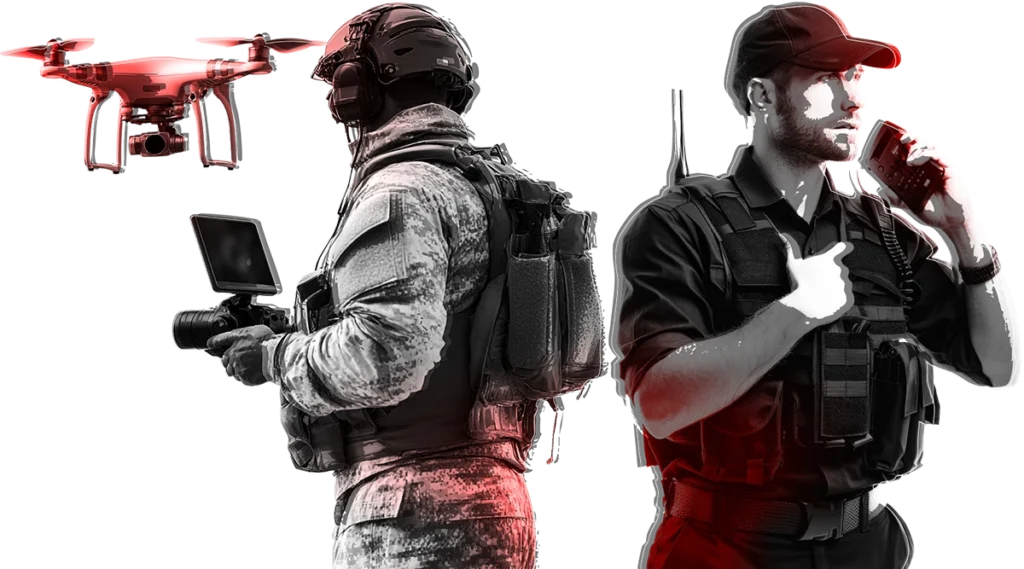
NIRTAL delivers cutting-edge systems and specialized tactical equipment tailored for military, law enforcement, and security agencies.
We provide end-to-end integration of surveillance technologies and operational gear, meticulously selected to maximize mission success, increase survivability and bridge the gap between training and field deployment.
Tactical Gear
Tactical Equipment for Infantry Soldiers
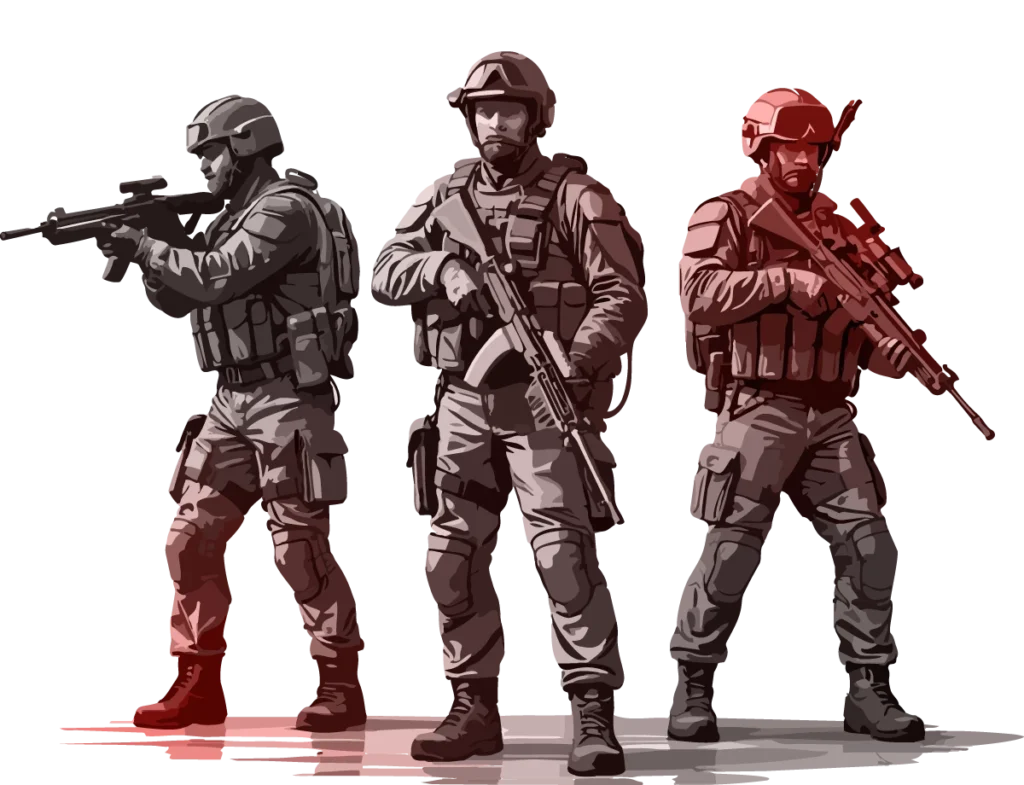
A comprehensive array of dedicated assets engineered to enhance the protection, mobility, and combat effectiveness of infantry forces. Core components include advanced ballistic helmets and vests, alongside modular load-bearing systems and tactical belts designed for the optimal organization of ammunition and essential gear. Furthermore, the equipment integrates navigation systems, tactical audio and communication devices, and durable combat apparel tailored to withstand extreme environmental conditions. This comprehensive suite guarantees high maneuverability and operational lethality for the soldier, while maintaining maximum protection levels during high-intensity missions.
Equipment for Commando and Special Operations Units
Combat solutions specifically designed and tailored for low-signature operations. The equipment features advanced integration of night vision devices and mission-specific modularity, ensuring superior operational flexibility and maximum freedom of action within clandestine theaters.
Tactical Gear for Internal Security and Law Enforcement Forces
Protective and operational solutions for Homeland Security missions and public order management. This range includes tactical body armor, specialized riot control helmets and limb protectors, ergonomic duty belts, and advanced load-bearing systems for less-lethal gear. The equipment is precisely tailored for dynamic operations within civilian environments, ensuring superior protection and unyielding operational resolve in the field.

Combat Intelligence
Combat Intelligence focuses on gathering real-time battlefield data through ground observation to support decision-making. Combat collectors and infantry units, from the squad to the company level, employ diverse systems: handheld thermal imagers for individual soldiers, tripod-mounted electro-optical sensors for platoons, and advanced ground surveillance radars or tactical UAVs for battalions. These integrated tools ensure constant monitoring and superior situational awareness across all operational echelons.

Mobility
In the modern theater of war, the synergy between maneuver, firepower, and movement is the cornerstone of tactical success. By integrating lethal fire with rapid positioning, forces can suppress enemies while advancing to a position of advantage. For Rapid Response Units, high mobility is a life-saving necessity, allowing them to neutralize threats before they escalate. Similarly, for conventional and special forces, superior maneuverability ensures flexibility, enables the element of surprise, and maintains momentum against any adversary.

Command and Control
Command and Control (C2) is the framework used by commanders to direct forces and accomplish missions. At the squad or team level, soldiers use tactical radios and wearable battle-management apps. Platoons and companies utilize integrated digital maps to track friendly forces (BFT), while battalions and brigades employ advanced networks like the ‘Digital Army Program’ to synchronize intelligence, fire support, and logistics into a unified operational picture.

Drones and UAVs
In the modern battlespace, drones and UAVs have become indispensable for maintaining tactical superiority. These platforms provide real-time aerial surveillance and precision targeting, allowing units to see ‘over the hill’ without risking personnel. From micro-drones for squad-level reconnaissance to loitering munitions, they accelerate the sensor-to-shooter cycle. By delivering critical intelligence and lethal capabilities, UAVs ensure that infantry forces remain agile, informed, and lethal in complex environments.
Jamming and Localization Systems
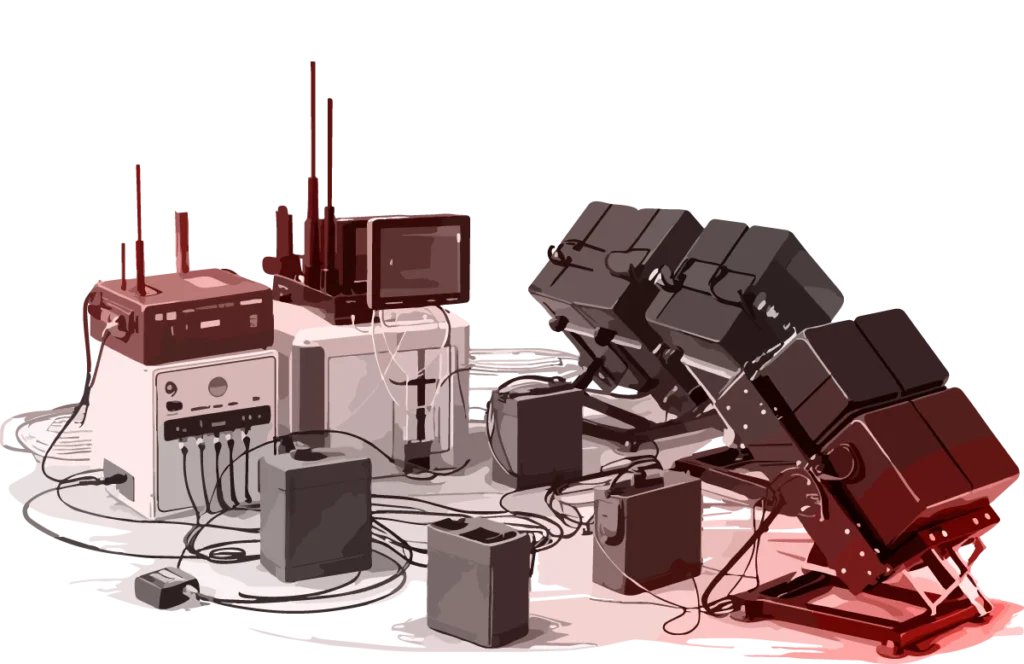
Electronic Warfare (EW) and localization systems are critical for modern defense, internal security, and counterterrorism. By jamming enemy communications and neutralizing remote-controlled threats like IEDs or drones, these systems protect forces and infrastructure. In counter-terror operations, high-precision signal intelligence (SIGINT) allows units to locate and track targets in dense urban environments, disrupting enemy command networks and providing a decisive advantage against asymmetric threats.

Infrastructure and Supporting Logistics Systems
Infrastructure and logistics form the backbone of modern military, internal security, and counter-terrorism operations. Beyond simple supply lines, they ensure the continuous flow of fuel, ammunition, and medical support to the edge. In asymmetric warfare, agile logistics enable rapid force deployment and sustainment in remote areas. Without robust infrastructure and resilient supply chains, even the most advanced combat units lose their operational endurance and effectiveness.
Tactical Helmet
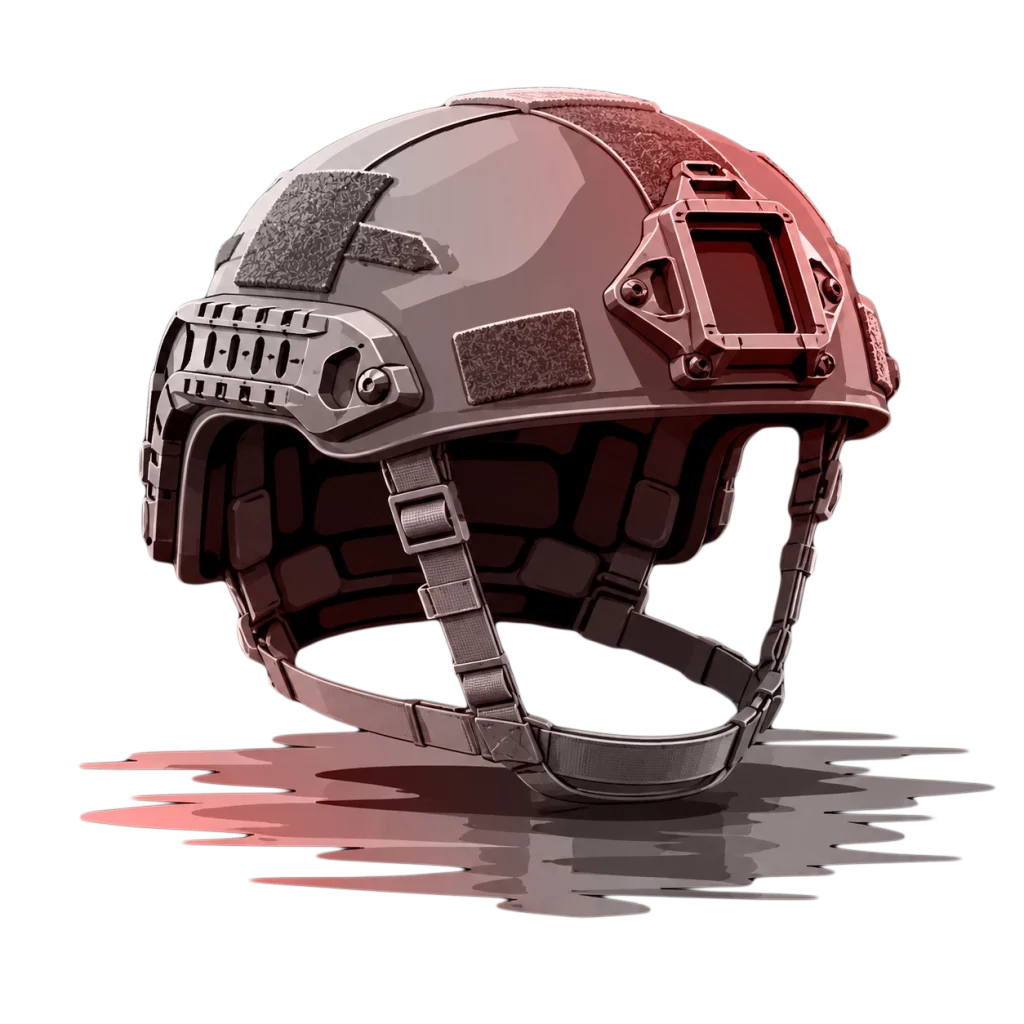
Advanced tactical helmets engineered for dynamic combat environments, compliant with international standards. Features include accessory rails and modular padding systems for optimal fit and security.
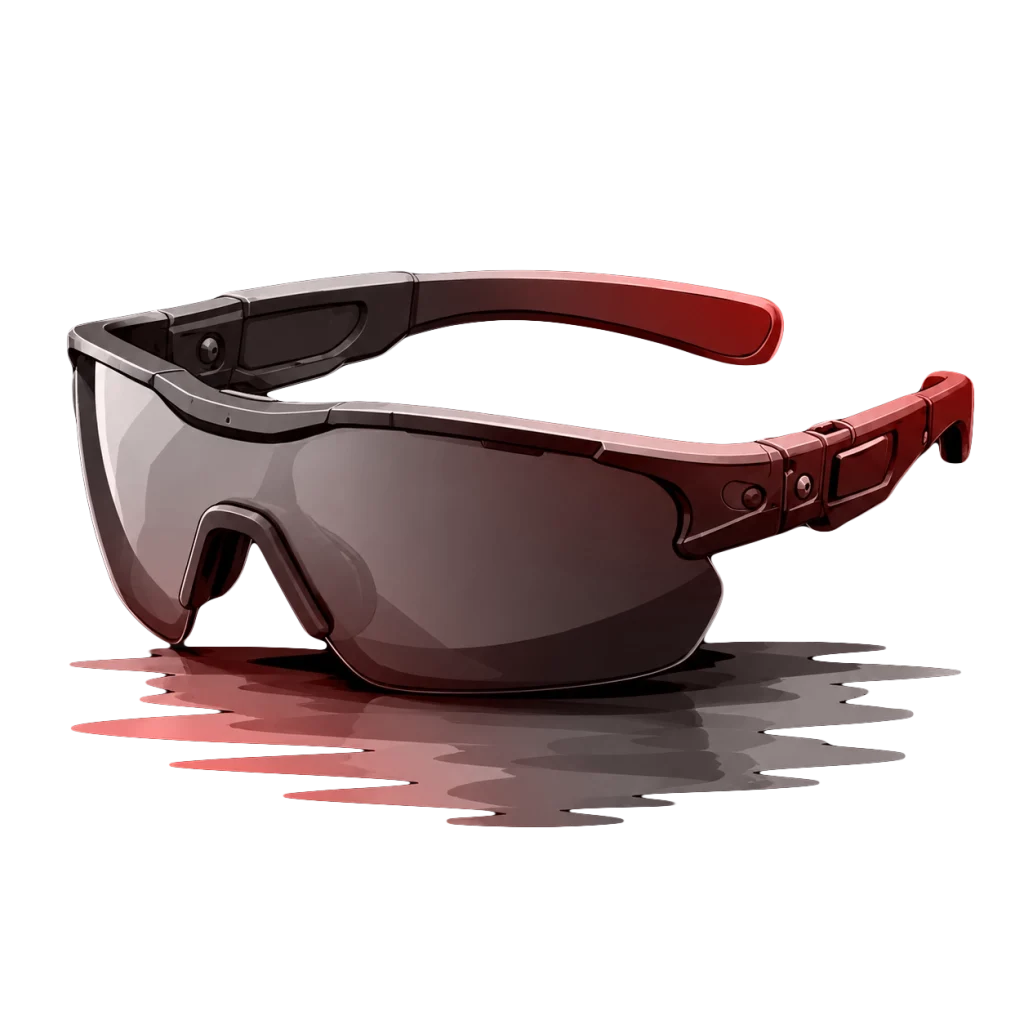
Ballistic Goggles
Comprehensive range of ballistic goggles designed for diverse field operations. Featuring shatter-resistant lenses and adaptable options for varying light conditions, built to international standards.
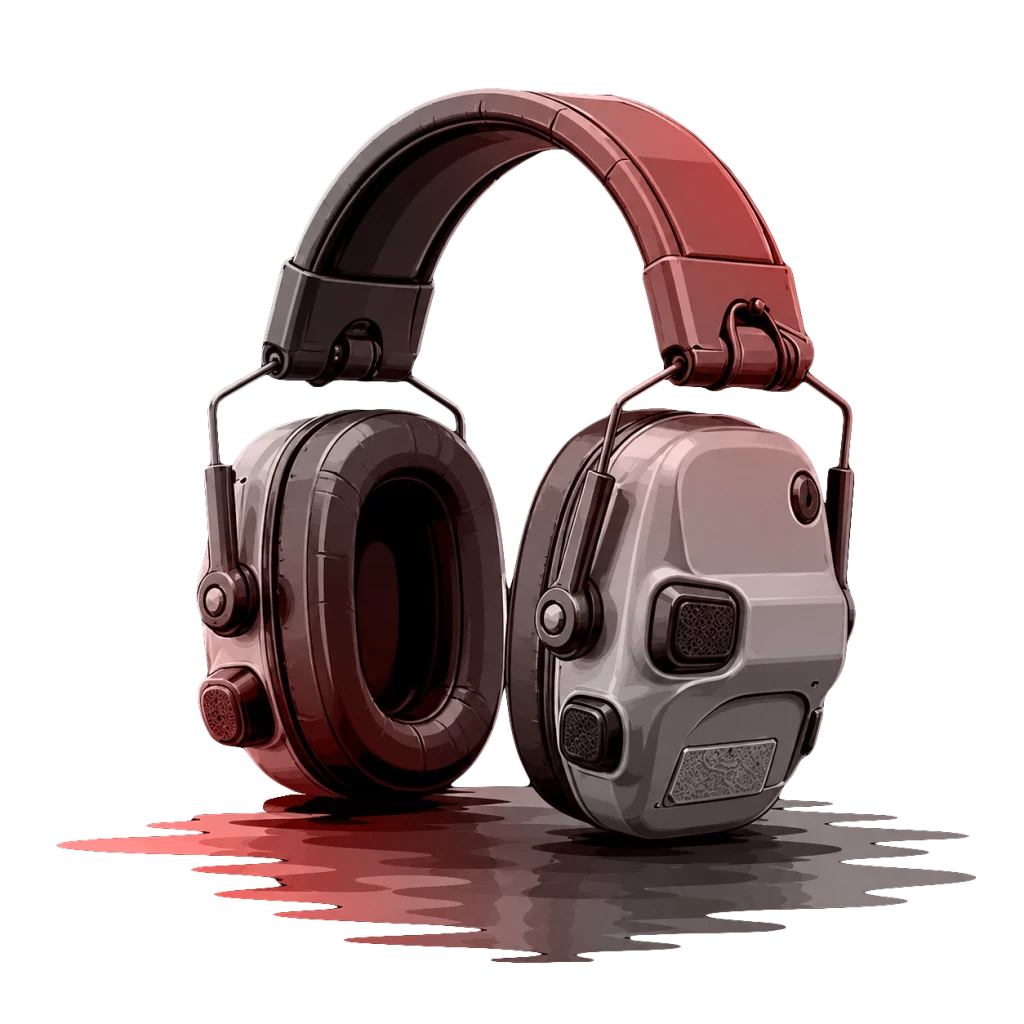
Tactical Hearing Protection
Electronic and passive tactical hearing protection tailored to operational requirements. Advanced models meet international standards, providing variable noise reduction for sustained combat environments.
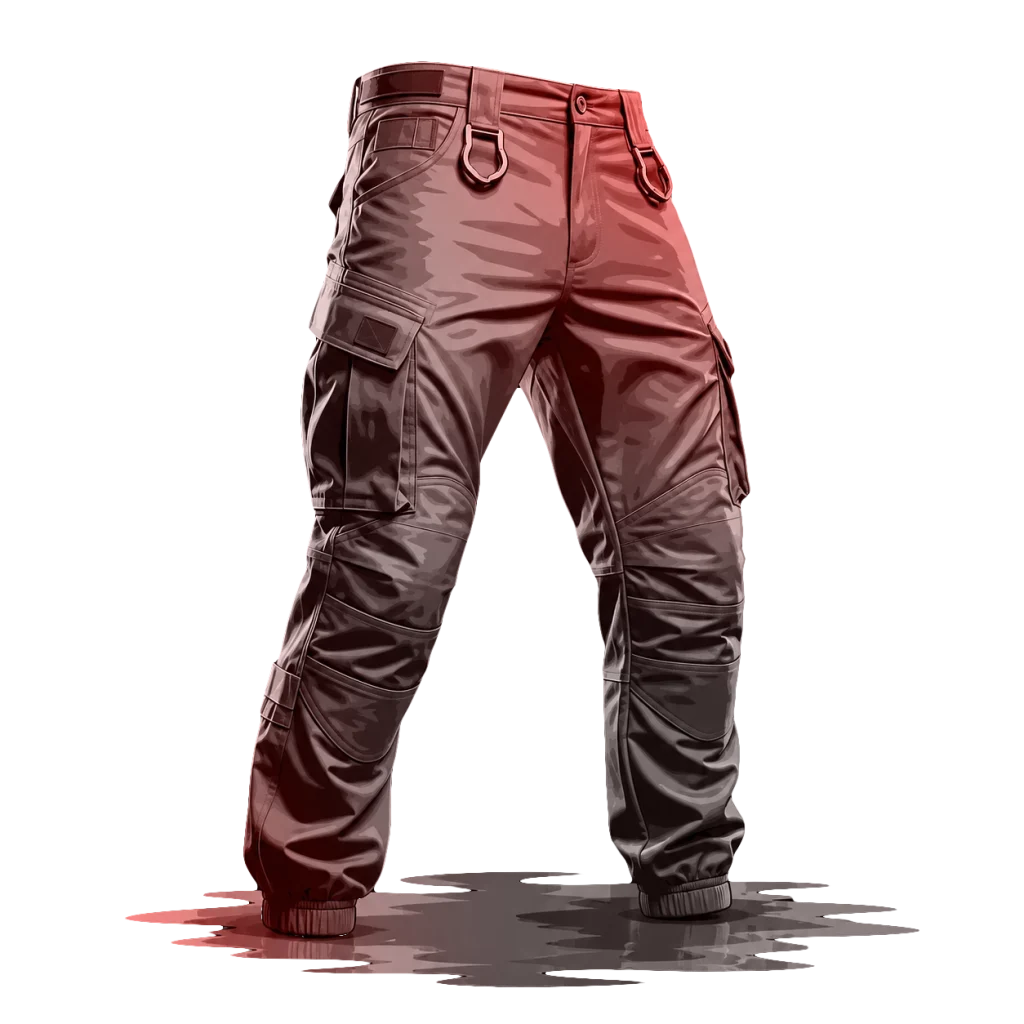
Tactical Pants
Durable tactical pants constructed from rugged Ripstop fabric. Features include strategic pocket placement and advanced ergonomics for maximum comfort and operational efficiency in the field.
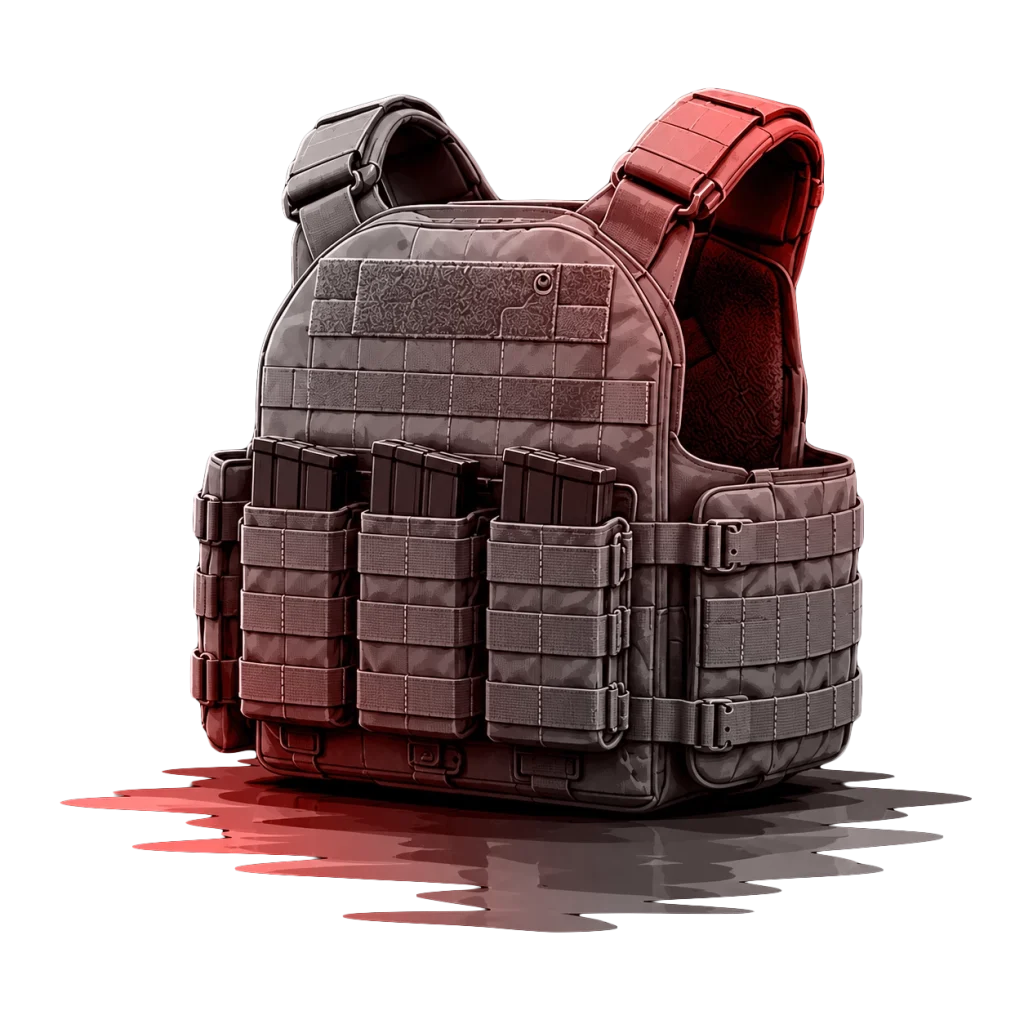
Combat Vest
Versatile tactical vests and plate carriers designed for mission-specific customization. Options range from lightweight law enforcement models to modular systems for high-intensity combat operations.
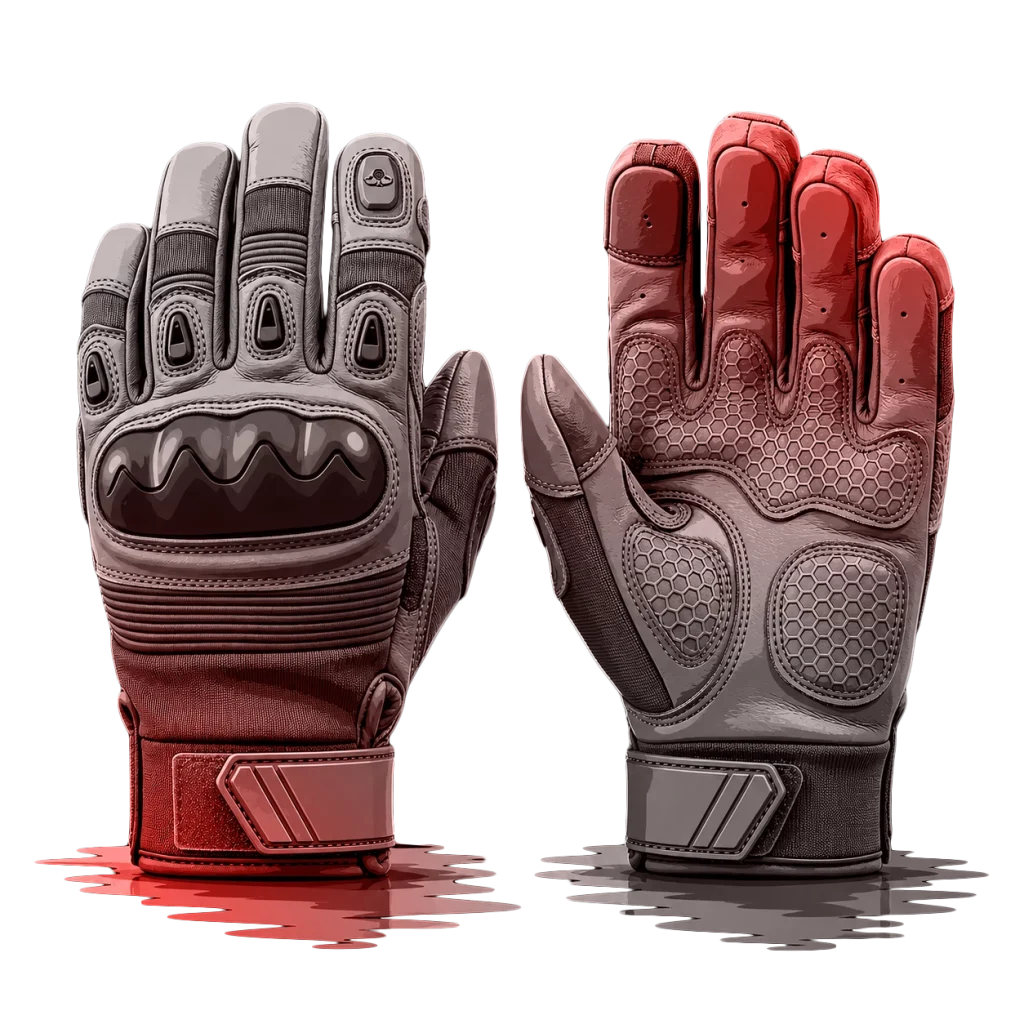
Tactical Gloves
Professional-grade tactical gloves for diverse combat applications. The range includes hard-knuckle, high-dexterity, and heat-resistant models, ensuring superior grip and protection for any mission.
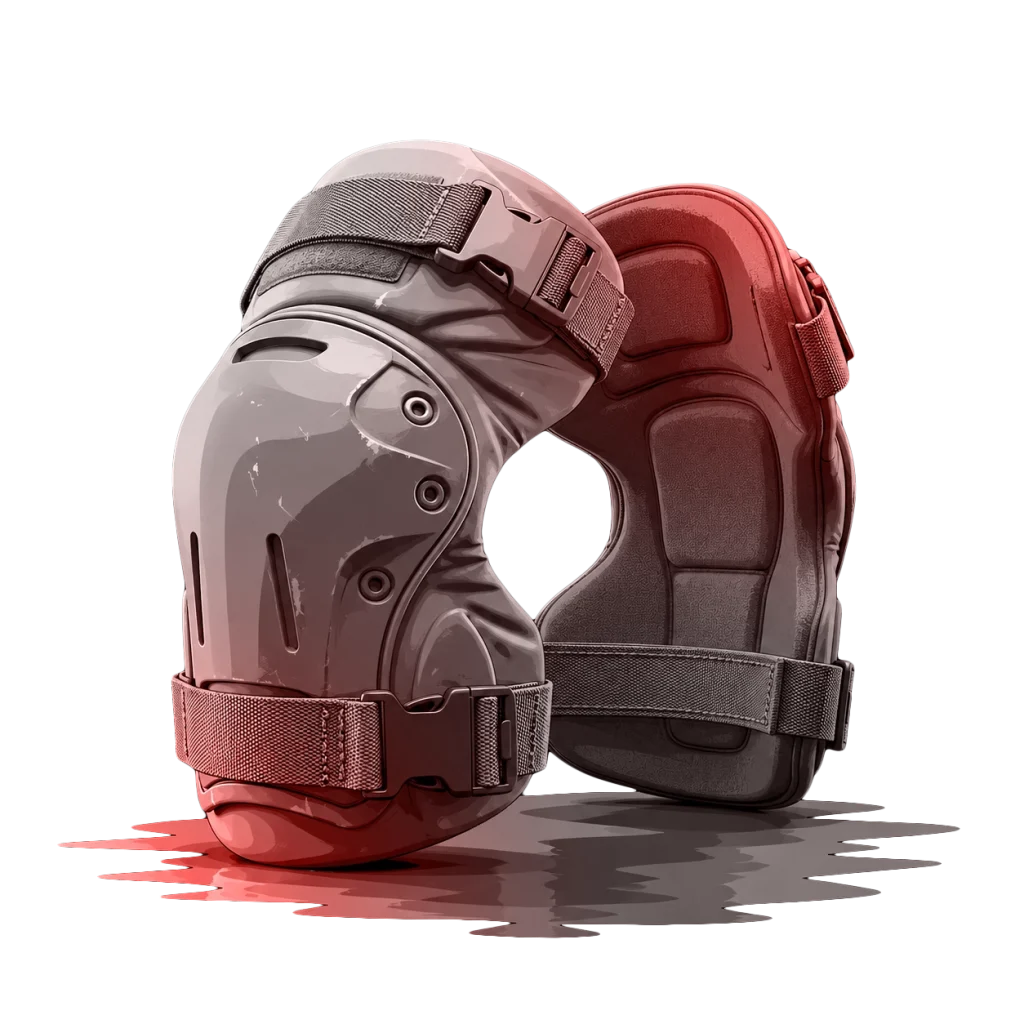
Tactical Knee Pads
Tactical knee pads engineered for optimal performance and protection during field operations. Options include hard-shell external pads and integrated internal inserts for superior shock absorption.
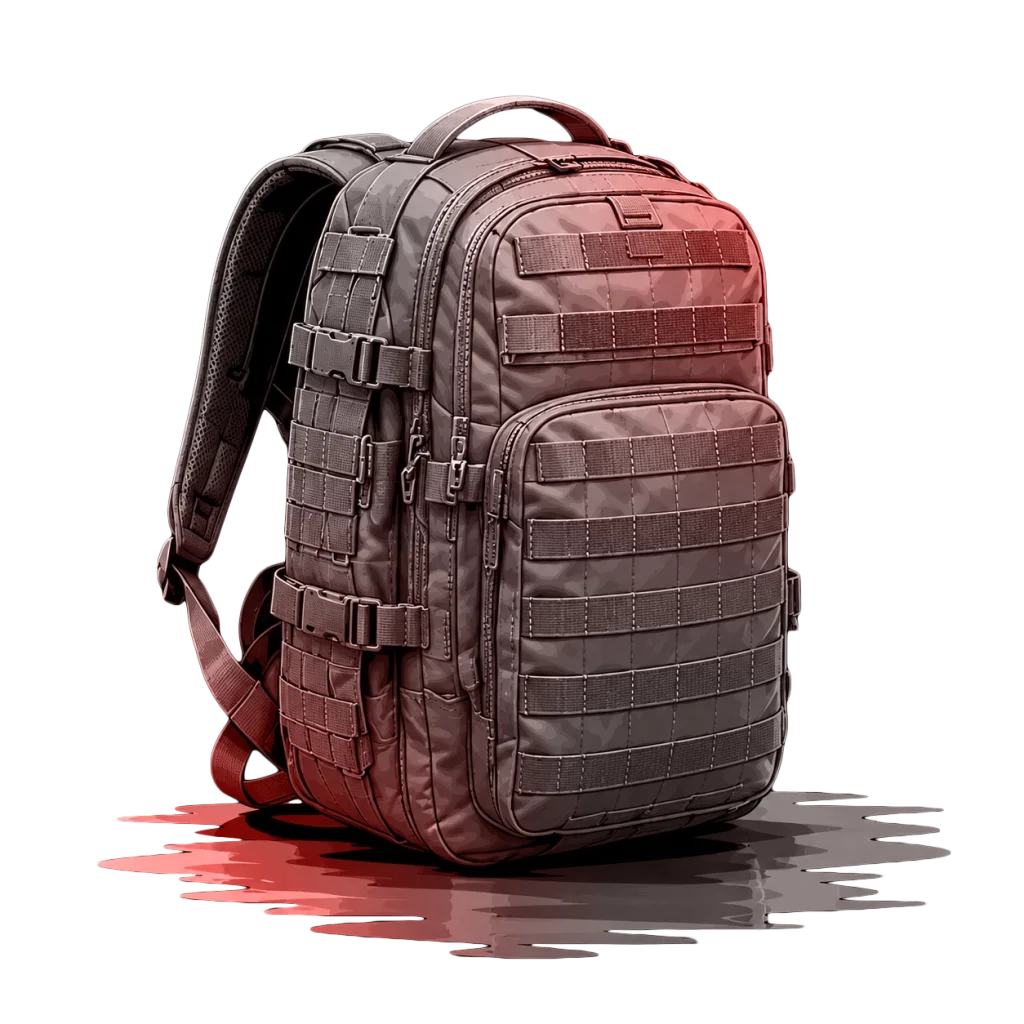
Tactical Assault Pack
Comprehensive selection of tactical assault packs featuring customizable internal compartments and varying capacities. Water-resistant and designed for extended wear in extreme combat conditions by military and security forces.
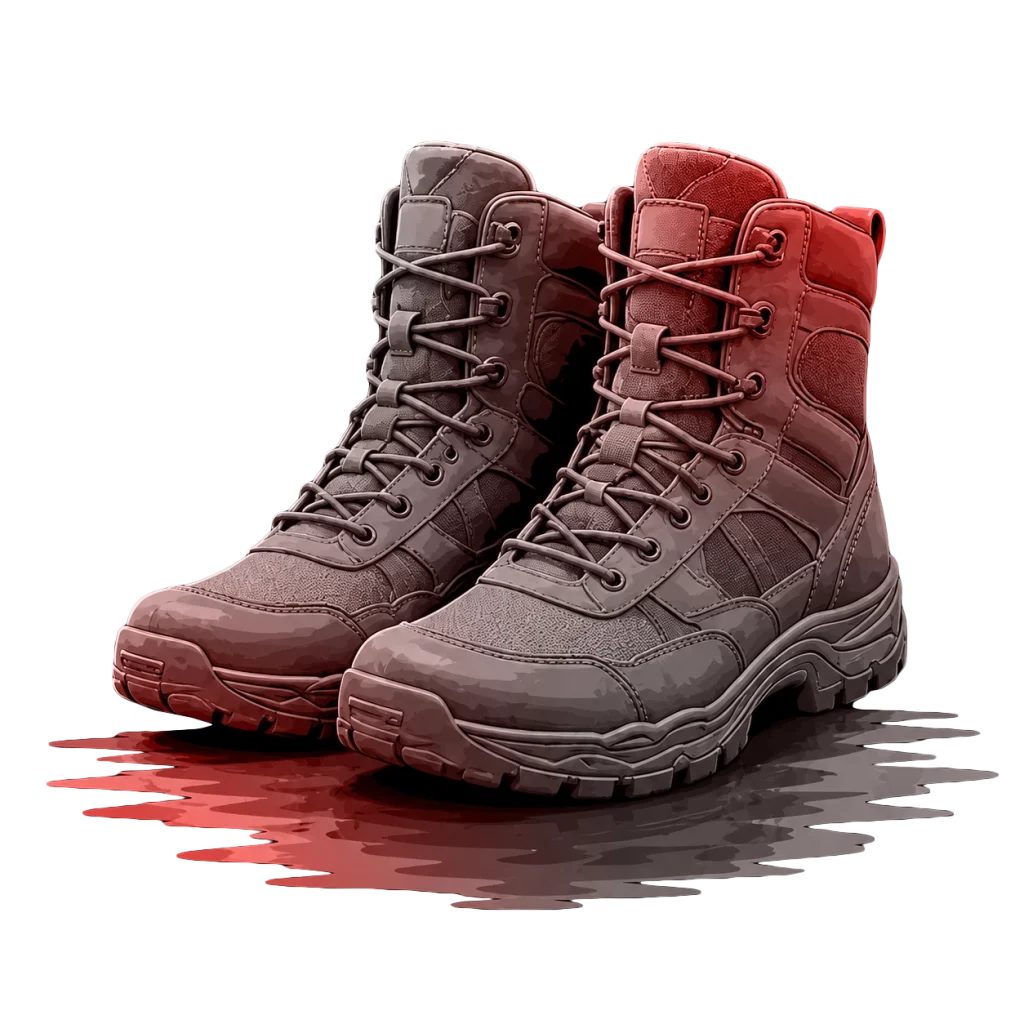
Tactical Boots
Tactical and military boots manufactured to rigorous international standards. Featuring lightweight, waterproof construction, shock-absorbing soles, and ergonomic design for optimal combat performance.